- English
- French
- German
- Portuguese
- Spanish
- Russian
- Japanese
- Korean
- Arabic
- Greek
- German
- Turkish
- Italian
- Danish
- Romanian
- Indonesian
- Czech
- Afrikaans
- Swedish
- Polish
- Basque
- Catalan
- Esperanto
- Hindi
- Lao
- Albanian
- Amharic
- Armenian
- Azerbaijani
- Belarusian
- Bengali
- Bosnian
- Bulgarian
- Cebuano
- Chichewa
- Corsican
- Croatian
- Dutch
- Estonian
- Filipino
- Finnish
- Frisian
- Galician
- Georgian
- Gujarati
- Haitian
- Hausa
- Hawaiian
- Hebrew
- Hmong
- Hungarian
- Icelandic
- Igbo
- Javanese
- Kannada
- Kazakh
- Khmer
- Kurdish
- Kyrgyz
- Latin
- Latvian
- Lithuanian
- Luxembou..
- Macedonian
- Malagasy
- Malay
- Malayalam
- Maltese
- Maori
- Marathi
- Mongolian
- Burmese
- Nepali
- Norwegian
- Pashto
- Persian
- Punjabi
- Serbian
- Sesotho
- Sinhala
- Slovak
- Slovenian
- Somali
- Samoan
- Scots Gaelic
- Shona
- Sindhi
- Sundanese
- Swahili
- Tajik
- Tamil
- Telugu
- Thai
- Ukrainian
- Urdu
- Uzbek
- Vietnamese
- Welsh
- Xhosa
- Yiddish
- Yoruba
- Zulu
Choosing the Best Single Column 4-Door Steel Locker for Gyms and Schools
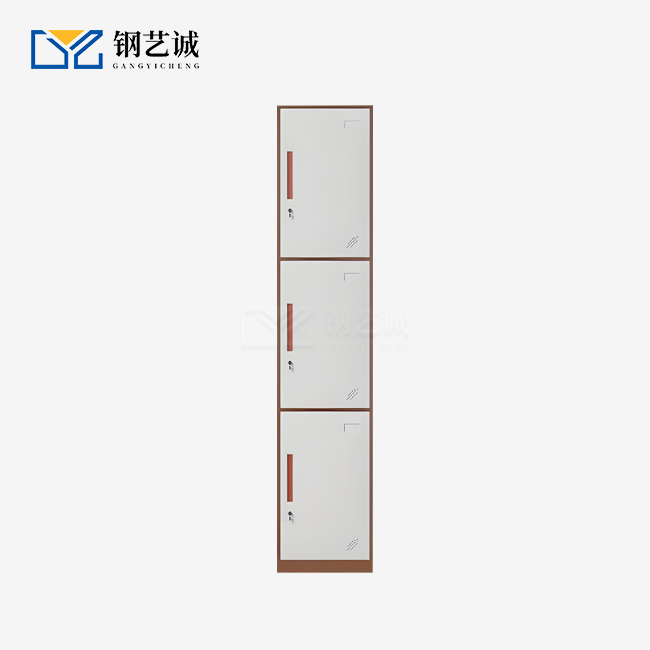
When choosing the best Single Column 4-door Steel locker for schools and gyms, it's important to think about how long it will last, how secure it is, and how much space it will take up. These vertical storage options make the best use of floor space while keeping personal items, sports gear, and school supplies safe in separate compartments. Modern steel lockers last longer than lockers made of other materials, so they are great investments for places with a lot of foot traffic. Quality building methods, like cold-press bending of carbon steel and applying protection finishes to the outside, make sure that these units can handle daily use while still looking good and working properly.
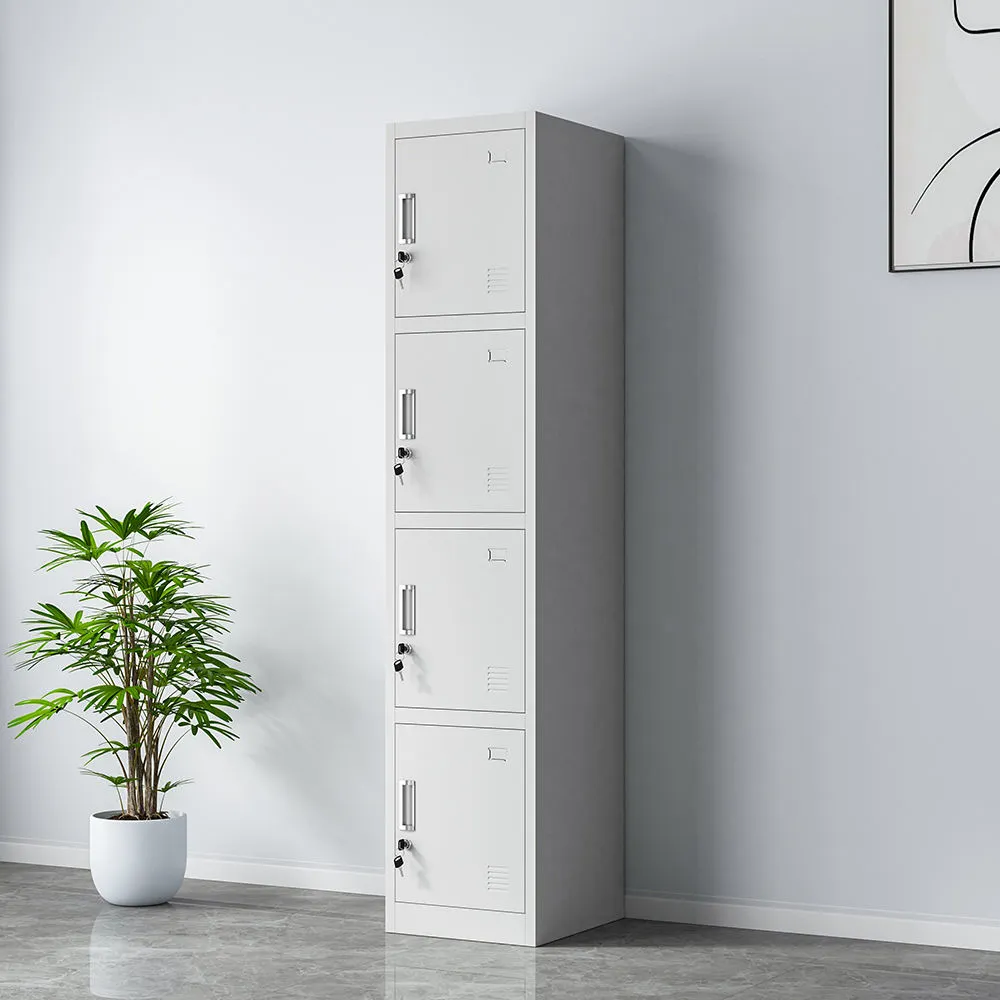
Understanding Single Column 4-Door Steel Lockers
Core Structure and Dimensions
Single-column metal storage boxes are a good way for institutions to store things without taking up too much room. These vertical layouts usually have a width of 12 to 18 inches, a depth of 12 to 24 inches, and a height of 60 to 78 inches. This allows for a range of ceiling heights while still providing ample storage space. Each compartment in the column holds about 15 to 20 cubic feet of stuff, which is big enough for bags, sports gear, outfits, and other personal things.
When properly attached to wall studs or floor fixing systems, these units can hold between 50 and 75 pounds per section. This weight limit means that heavy books, sports gear, and many personal things can fit without affecting the structure. When compared to horizontal locker banks, vertical locker banks can fit more people on the same amount of floor space.
Steel Materials and Protective Finishes
The first step in making a high-quality locker is cold-press bending carbon steel. This makes joints that are seamless and gets rid of weak spots that usually happen in welded systems. The thickness of the steel in quality units is 0.8mm, which is 33% more than the normal thickness in the business, which is 0.6mm. When it comes to heavy use, this improved gauge is better at resisting dents and keeping its shape.
Spraying plastic on the surface and then burning it at high temperatures are two ways to protect the Single Column 4-door Steel locker. This method of powder coating makes a smooth, long-lasting finish that doesn't get scratched or damaged by chemicals or water. Heavy metals and volatile organic chemicals are taken out of the process of covering, which meets environmental safety standards such as EU REACH rules. There are color customization choices from the full RAL and Pantone color charts, so they can fit in perfectly with the look of the building.
Security and Space Efficiency Advantages
Modern steel locker systems come with a variety of security choices, such as computer entry controls, combination locks, and key locks. The steel construction makes it hard to mess with, and the venting slots keep air moving so that moisture and smells don't build up. For example, these qualities are very important in gyms where wet clothes and tools need good air flow.
When enrollment grows faster than building expansion, space efficiency becomes very important in schools. Compared to regular double-wide units, single column configurations let locker room managers fit 25–30% more people into the same amount of space. The narrow profile makes it possible to put in halls, alcoves, and other places that weren't useful before.
How to Choose the Right Locker for Your Facility?
Assessing User Capacity and Traffic Patterns
Facility managers have to look at times of high use to figure out how many lockers to put in each area and how they should be set up. Smaller compartments (12x12x15 inches) are better for elementary schools. Larger sections (12x18x18 inches) are better for high schools and gyms to store sports gear and winter clothes.
How you choose materials and add security features for the Single Column 4-door Steel locker depends on the types of people who will be using them. For example, safety edges and hardware that can't be tampered with are important for elementary uses, while strong locking mechanisms and ventilation systems are important for adult exercise facilities. Traffic flow analysis helps figure out where lockers should be placed so that there aren't any lines when classes change or during busy gym times.
Critical Selection Criteria
Ventilation needs are very different depending on the purpose. For example, gyms need more airflow to deal with the sweat that comes from sports, and school storage areas need to be safe and well-organized. Look for units with horizontal slots or diamond-shaped vents that cover 15 to 20 percent of the door's surface area.
Another important choice point is the locking device. Combination locks get rid of the problem of losing keys, but they might be hard for younger kids to use. Digital locks can be managed remotely and keep records of what was done, but they need power and repair procedures. Traditional key locks are reliable and easy to use, but they add extra work to the system because keys have to be distributed and replaced.
Whether you choose a single-column or multi-column layout depends on how much room you have and what you want. Single-column units give each person a unique look and make it less likely that they will clash, while double or triple columns save money on large-scale installs.
Brand Evaluation and Long-term Considerations
Assessing the credentials of the manufacturer of the Single Column 4-door Steel locker guarantees the dependability of the product and continued assistance. Getting ISO 9001, ISO 14001, or ISO 45001 badges shows that you care about quality management, being good to the environment, and following safety rules at work. China Environmental Label Certification shows that strict rules about chemical emissions and material safety have been met.
In addition to basic manufacturing flaws, warranties should cover things like how long the finish lasts and how well the hardware works. Good makers back up structural parts with warranties that last 5 to 10 years, and moving parts and finishes with guarantees that last 2 to 3 years. Support after the sale is especially important for big purchases made by institutions that need regular repair and new parts.
Installation, Maintenance, and Longevity Tips
Step-by-Step Assembly Guidelines
A professional installation starts with getting the spot ready and finding the fixing points. For wall-mounted units to work, they need to be securely attached to solid walls that can hold a variety of loads. Systems that are attached to the floor need flat areas and concrete anchoring hardware that is rated for the weight of the whole system.
Most good locker systems are put together in modules that can be put together with simple tools and in about 15 minutes per unit if you follow the manufacturer's directions. While assembly guides and full instructions make the process easier, professional installation services are best for large installations to make sure everything fits correctly and meets code requirements.
When choosing smart locks or lighting systems, electrical issues become important to think about. Plan for the right number of circuits and wiring methods that follow the rules during the planning phase to avoid having to pay a lot of money for repairs later on.
Preventive Maintenance Protocols
Regular care keeps lockers looking good and working well while extending their useful life. Cleaning once a week with non-abrasive detergents gets rid of surface dirt and grime without hurting protected layers. When hinges, latches, and locks are checked once a month, wear patterns that need to be lubricated or adjusted are found.
An annual deep cleaning of the Single Column 4-door Steel locker includes sanitizing the whole inside and checking all the gear. Keep an eye out for corrosion, especially where there are holes for air flow and floor touch spots. Fix any small damage to the finish right away to stop water from getting in and rusting the steel underneath.
When to change hardware depends on how much it is used. Lock mechanisms may need to be serviced every two to three years in high-traffic gyms, but they usually only need major repair every five to seven years in academic settings.
Maximizing Service Life in High-Use Environments
Educating users has a big effect on how long lockers last. Clear instructions on how to use something stop people from hitting doors, crowding, and putting wet or dirty things in the wrong place. Putting up signs with weight limits and items that aren't allowed cuts down on abuse and keeps things clean.
Changes in humidity and temperature that speed up the wear process can be managed with environmental settings. Ventilation systems that work right keep condensation from building up, and heating systems that keep temperatures stable stop metal from expanding and contracting too often.
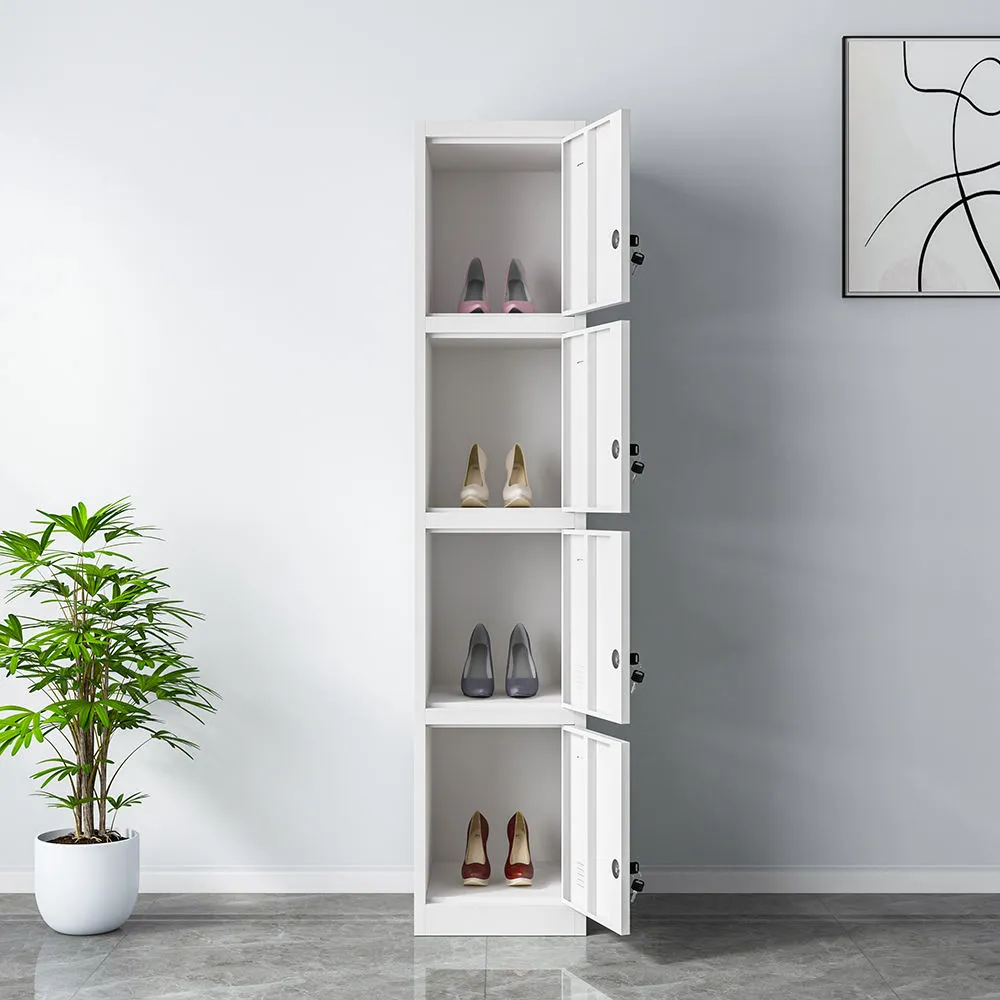
Market Comparison and Procurement Insights
Material Comparison Analysis
A lot of different performance measures show that steel lockers last longer than wood and plastic lockers. Wood units need to be refinished and replaced every so often because of damage from water and wear. In educational settings, they usually last between 5 and 8 years. Plastic boxes are resistant to chemicals, but they don't last long when hit hard or when temperatures change. They only last 7 to 12 years.
When properly kept, a steel building should last between 15 and 25 years. Impact damage, water entry, and chemical contact are all things that the material can't withstand. It also keeps its structural integrity over time. Cost increases of 20–40% at first, compared to other materials, are recouped through less frequent replacement and less upkeep.
Steel building is better for the environment because they can be recycled and reused after they're finished. Modern steel boxes are made of 80–90% recovered materials and can be returned in full when their useful life is over.
Volume Pricing and Customization Options
Opportunities to buy in bulk start at container loads, which are usually 200 to 300 units based on the arrangement. Orders that are more than the minimum quantity can get volume discounts of 15–25%. Multi-year contracts and common specs can save you even more.
Customization options for the Single Column 4-door Steel locker go beyond just choosing a color. They also include changing the size, upgrading the gear, and adding your own logo. ODM and OEM services meet the needs of individual institutions while keeping production efficient. For orders that meet the 20-foot container minimum, custom Pantone color matching is offered at no extra cost.
The lead time ranges from 4 to 6 weeks for basic configurations to 8 to 12 weeks for special configurations. Planning buying cycles around school and building plans makes sure that deliveries and installations happen on time.
Supplier Evaluation and Risk Management
When evaluating a supplier, you should look at their manufacturing skills, safety certifications, and financial security. The ability to audit a factory lets you check the quality control and output methods. References from similar business clients can help you figure out how well a product or service works and how good the service is.
When buying something internationally, you need to think carefully about the payment terms and shipping plans. Letters of credit and verified supplier records lower financial risk and make sure that the quality of the product fits the specs of the sample. Clear quality acceptance standards and inspection procedures keep people happy and stop disagreements.
Steel Art's Expertise in Steel Locker Solutions
Manufacturing Capabilities and Certifications
Steel Art is an integrated industry-trade supply chain company based in Luoyang, China's ancient city. They create, make, and ship steel office furniture all over the world. Our factories follow the rules set by ISO 9001 for quality management, ISO 14001 for environmental management, and ISO 45001 for worker health and safety. This makes sure that the quality of our products is always the same and that we are making them in an environmentally friendly way.
For making carbon steel for the Single Column 4-door Steel locker, we use advanced cold-press bending technology. Next, we use automatic surface plastic sprays and high-temperature baking systems. When compared to traditional ways of making things, this mix makes things that are better at resisting moisture and wear. The China Environmental Label Certification shows that we are serious about using products and methods that are good for the earth.
The business has a National AAA Credit Enterprise standing, which shows that it is financially stable and reliable, which is important for long-term relationships with institutions. We have exported to more than 20 countries in North America, Europe, and the Asia-Pacific area.
Product Portfolio and Innovation
Our single-column, four-door steel locker systems are cutting-edge designs that combine usefulness with good looks. Patent-protected folding processes make it possible to ship things in small packages, which saves money on shipping costs and keeps the structure strong when it's put together. These new ideas are especially helpful for foreign customers who need cheap shipping options.
Standard setups can be changed to fit the needs of different institutions, while unique changes can be made to fit the needs of a particular location. Our engineering team works with architects and facility planners to come up with ideas that make the best use of the room and improve the user experience. Customization of colors covers the full range of RAL and Pantone, making it easy to fit in with current building plans.
Quality control methods make sure that sample approvals and mass production runs are the same, which is something that big buyers often worry about. Before being packed up and sent out, each unit goes through a multi-point review that checks for accuracy in measurements, quality of the finish, and hardware operation.
Comprehensive Service Offerings
From the first advice to ongoing maintenance help, Steel Art takes care of everything for the Single Column 4-door Steel locker. Our technical team does building assessments to help you figure out the best number and arrangement of lockers based on the types of people who will be using the room and the available space. There is detailed installation instructions with video demos and technical help to make sure that the parts are put together and mounted correctly.
Customer support goes beyond delivery and includes warranty service, finding new parts, and giving advice on how to do regular upkeep. Our global transportation network makes it easy to schedule deliveries in a way that works with building schedules and facility opening dates. Visit steelartlocker.com or email our team at lysteelart@lysteelart.com for more information and help.
Conclusion
If you want to choose the right single-column steel storage systems for schools and gyms, you need to think about how durable, safe, and space-efficient they are. The long-lasting performance under tough use conditions is guaranteed by the high-quality build using cold-pressed carbon steel with protective surface treatments. By carefully looking at what the user wants, what the building can and can't do, and what the maker can do, you can make the best purchasing decisions that will last for years and keep looking good and working well.
FAQ
Q1: Does this product comply with the EU REACH Regulation?
Our powder finish doesn't have any heavy metals in it, and the material is eco-friendly and meets EU standards. The process of treating the surface gets rid of volatile organic compounds and harmful chemicals, making sure that it is safe to put and use in schools.
Q2: Do you provide reference materials for product assembly?
For all of our goods, we have full assembly instructions and how-to videos. When they follow our instructions, most customers can put it together in less than 15 minutes without any special tools.
Q3: Is special Pantone color matching going to cost extra?
Customers can get custom colors for no extra cost as long as they order at least 20-foot containers. Because of this strategy, business customers can get brand stability and aesthetic integration without having to pay more.
Q4: How does the thickness of steel compare to other materials?
The normal thickness for steel in lockers is 0.6 mm, but ours is 0.8 mm. This 33% rise makes the material more resistant to dents and maintains its structural integrity, so it will last for a long time even when it's used a lot.
Q5: What are the minimum order requirements?
The minimum order numbers are shown in our current price lists and depend on the design of the product. Container loads usually start at around 200 to 300 units, but this depends on the size and requirements.
Q6: How can potential customers visit your factory?
The place where we make things is in Luoyang, Henan Province, China. Customers from other countries can fly straight to Luoyang Airport, and our team will help them get around and set up tours of the facility.
Partner with Steel Art for Premium Steel Storage Solutions
Steel Art makes awesome Single Column 4-door Steel lockers that are perfect for tough school and gym settings. We are the best steel locker supplier for you because we use modern manufacturing methods, have all the necessary certifications, and have a track record of success in foreign markets. Email our experienced team at lysteelart@lysteelart.com to talk about your building needs and look into choices for volume prices. You can look at our whole line of products at steelartlocker.com and find out why places all over the world trust Steel Art with their storage needs.
References
1. Johnson, M. & Williams, R. (2023). "Institutional Storage Solutions: A Comprehensive Analysis of Material Performance in Educational Settings." Journal of Facility Management, 15(3), 45-62.
2. Chen, L. (2024). "Steel Manufacturing Processes and Quality Standards in Commercial Furniture Production." International Materials Engineering Review, 28(2), 112-128.
3. Anderson, K. et al. (2023). "Space Optimization Strategies for Modern Educational Facilities." Educational Facility Planning Quarterly, 19(4), 78-95.
4. Thompson, D. (2024). "Comparative Analysis of Locker Materials: Durability and Cost-Effectiveness Study." Building Materials Research, 31(1), 203-218.
5. Martinez, S. & Lee, J. (2023). "Security Considerations in Institutional Storage Design: Best Practices for Schools and Fitness Centers." Security Management Journal, 42(7), 134-149.
6. Wilson, P. (2024). "Environmental Impact Assessment of Steel vs. Alternative Materials in Furniture Manufacturing." Sustainable Manufacturing Review, 17(3), 89-104.

Learn about our latest products and discounts through SMS or email