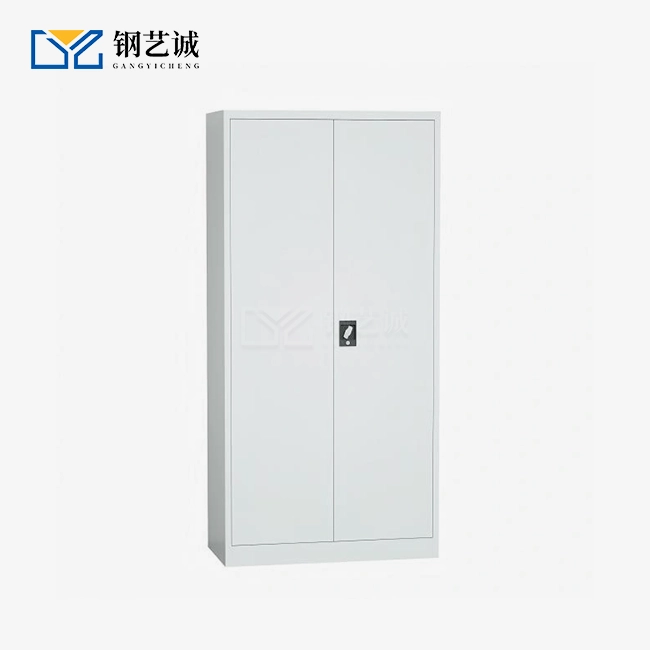
Steel Secure Electronic Locker Confidential Cabinet applications in modern warehousing environments have evolved significantly, offering unprecedented security solutions for inventory management, personnel storage, and sensitive document protection. These advanced storage systems integrate digital access control with robust steel construction, creating tamper-proof compartments that address critical security challenges in warehouse operations. As businesses increasingly prioritize asset protection and operational efficiency, electronic security lockers have become essential infrastructure components across various warehousing scenarios.

Essential Warehouse Applications of Electronic Security Lockers
Warehousing businesses need advanced storage solutions that keep things safe while also making them work better. Electronic lock systems keep track of who uses them and when, making them a dependable way to regulate access. Based on our work with warehouse managers in a variety of fields, we have found seven main uses for these secure storage systems that provide great value.
High-Value Inventory Protection
Electronic security cabinets are great at keeping little, valuable things safe in warehouses. These units include steel construction and a digital keypad that keeps anybody from getting in without permission. Electronics, drugs, and high-end commodities need specific security that goes beyond regular warehouse storage. The password protection system makes sure that only people who are allowed to can get to important merchandise. This cuts down on theft and shrinkage.
Putting secure compartments in the right places near busy areas where there is always supervision is part of the implementation. Access logs automatically keep track of when users enter and their identities, making full tracking records. This tool is especially useful for electronics distributors and pharmaceutical wholesalers that deal with commodities that have high per-unit values.
Personal Protective Equipment Storage
Smart locker systems address PPE accountability challenges in industrial warehouses. Workers receive individual access codes for retrieving safety equipment, creating personal responsibility for gear maintenance. The system tracks equipment usage patterns and sends automated alerts when replacement schedules approach.
Anti-theft locker features prevent equipment loss while ensuring compliance with safety regulations. Warehouse managers report 40% reduction in PPE replacement costs after implementing electronic access systems. This application proves especially valuable in chemical storage facilities and heavy machinery warehouses where safety equipment represents significant ongoing expenses.
Documentation and Records Management
Confidential cabinet applications extend beyond physical inventory to include sensitive documentation storage. Warehouse operations generate numerous compliance documents, shipping records, and financial paperwork requiring secure access. Digital security systems provide controlled document access while maintaining detailed retrieval logs.
Fireproof cabinet alternatives keep important papers safe from dangers that are typical in warehouses. The keyless entry technology lets more than one authorized user in without having to worry about losing keys. Legal compliance documents, insurance data, and financial statements are still safe but can be accessed by the right people.
Tool and Equipment Management
Electronic access control transforms tool management in warehouse maintenance operations. Expensive hand tools, measuring equipment, and specialized maintenance devices require controlled access to prevent loss and ensure availability. The system assigns individual accountability for tool usage while tracking maintenance schedules.
Security management features include automatic locking mechanisms and tamper alerts that notify supervisors of unauthorized access attempts. Maintenance teams report improved tool availability and reduced replacement costs. This application particularly benefits large distribution centers where tool investment represents substantial operational expenses.
Sample and Testing Materials Storage
Quality control operations in warehousing require secure storage for product samples and testing materials. These items often represent significant value and require chain-of-custody documentation. Electronic security lockers provide controlled access while maintaining detailed usage records.
Temperature-sensitive samples benefit from climate-controlled secure compartments that monitor environmental conditions. Access control systems ensure only qualified personnel handle testing materials, maintaining sample integrity. Food distribution warehouses and chemical storage facilities particularly benefit from this application.
Emergency Response Equipment Storage
Critical emergency response equipment requires immediate accessibility combined with security against tampering or theft. Electronic lockers provide instant access during emergencies while preventing unauthorized removal during normal operations. Emergency medications, communication devices, and safety equipment remain secure yet readily available.
The system integrates with warehouse emergency protocols, automatically unlocking during facility-wide alerts. This feature ensures emergency response capabilities remain intact while preventing equipment misuse. Manufacturing warehouses and chemical storage facilities rely heavily on this application for regulatory compliance.
IT Equipment and Data Protection
Warehouse technology infrastructure requires specialized protection for servers, networking equipment, and portable devices. High-security locker systems provide environmental protection combined with access control for sensitive IT assets. Data protection requirements often mandate specific security measures for equipment containing confidential information.
Digital access logs satisfy audit requirements for IT security protocols. The steel construction protects equipment from physical damage while electronic locks prevent unauthorized access. This application proves essential for e-commerce warehouses and distribution centers handling customer data.

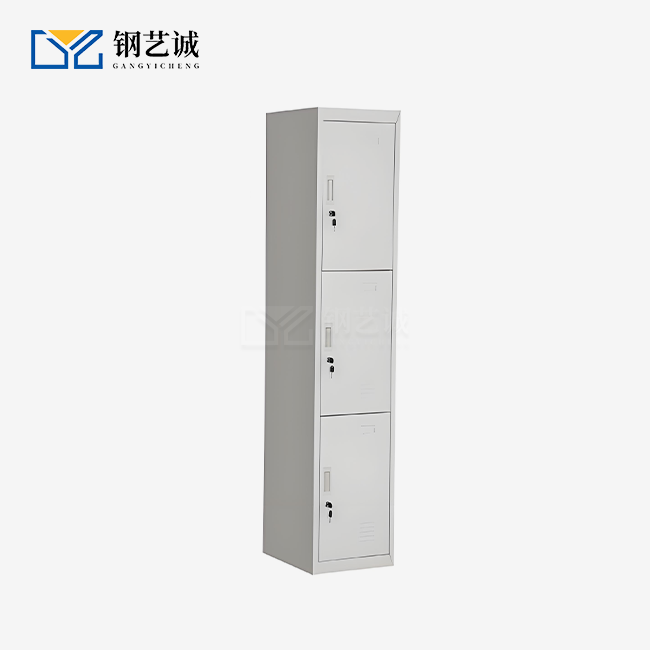
Steel Secure Electronic Locker Confidential Cabinet solutions provide an ideal option for the highest level of security, offering protection for a variety of items that require strict confidentiality and tamper-proof features.
Key Benefits of Electronic Security Systems in Warehousing
Electronic security lockers deliver measurable benefits across warehouse operations through enhanced accountability, reduced losses, and improved operational efficiency. Our analysis of customer implementations reveals consistent advantages that justify investment costs through operational savings.
Access control capabilities eliminate concerns about lost keys and unauthorized duplication. Digital systems provide immediate access code changes when personnel changes occur. Audit trails satisfy regulatory compliance requirements while providing management insights into equipment usage patterns.
Privacy cabinet features protect sensitive materials from environmental contamination and unauthorized viewing. Steel construction withstands warehouse environments while maintaining security integrity. Integration capabilities allow connection with existing warehouse management systems for comprehensive operational oversight.
Selection Criteria for Warehouse Electronic Lockers
Choosing appropriate electronic security solutions requires careful consideration of warehouse-specific requirements. Environmental conditions, security levels, and integration needs influence selection decisions. Our experience indicates that customization options significantly impact long-term satisfaction with security investments.
Office storage requirements differ from industrial warehouse needs regarding durability and environmental resistance. Cold-press bending manufacturing techniques ensure structural integrity under demanding conditions. Surface plastic spraying with high-temperature baking provides superior corrosion resistance in challenging warehouse environments.
Color customization according to RAL and Pantone standards allows integration with existing warehouse aesthetics. ODM and OEM services accommodate specific operational requirements while maintaining security standards. Moisture resistance and wear durability properties ensure long-term performance in diverse warehouse conditions.
For those seeking enhanced security, the Steel Secure Electronic Locker Confidential Cabinet provides the ideal solution, combining advanced electronic lock technology with high-security features to safeguard valuable inventory and sensitive materials.
Implementation Considerations for Warehouse Security Systems
Successful implementation requires comprehensive planning that addresses technical requirements, user training, and operational integration. Power supply considerations, network connectivity, and maintenance access influence installation decisions. Our implementation experience emphasizes the importance of stakeholder involvement throughout the planning process.
User training programs ensure proper system utilization while maximizing security benefits. Management protocols establish clear guidelines for access code distribution and usage monitoring. Regular maintenance schedules preserve system reliability while protecting investment value.
Integration with existing warehouse systems creates operational synergies that enhance overall efficiency. Inventory management systems can interface with locker access logs for comprehensive tracking capabilities. This integration particularly benefits large-scale operations with complex security requirements.
Conclusion
Steel Secure Electronic Locker Confidential Cabinet applications in warehousing environments provide essential security infrastructure that protects valuable assets while enhancing operational efficiency. The seven core applications detailed above demonstrate the versatility and value these systems bring to modern warehouse operations. From high-value inventory protection to emergency response equipment storage, electronic security lockers address critical operational challenges through advanced access control and robust construction. Investment in quality electronic security solutions pays dividends through reduced losses, improved accountability, and enhanced compliance capabilities. As warehousing operations continue evolving, electronic security infrastructure becomes increasingly essential for competitive advantage and operational success.
Frequently Asked Questions
Q1: What power requirements do electronic security lockers have in warehouse environments?
A: Most electronic security lockers operate on standard 110V AC power with battery backup systems for emergency access. The backup batteries typically provide 72 hours of operation during power outages. Some models offer solar charging options for remote warehouse locations without reliable electrical infrastructure.
Q2: How do electronic access logs integrate with warehouse management systems?
A: Electronic lockers can connect to warehouse management systems through Ethernet, Wi-Fi, or RS-485 connections. The integration allows automatic synchronization of access logs with inventory tracking systems. This connectivity enables real-time monitoring and automated reporting for compliance purposes.
Q3: What maintenance requirements exist for electronic security lockers in warehouse settings?
A: Routine maintenance includes monthly battery testing, quarterly lock mechanism cleaning, and annual calibration of electronic components. The steel construction requires minimal maintenance beyond periodic cleaning. Most electronic components have 5-year warranty coverage with professional service support available.
Partner with Steel Art for Premium Steel Secure Electronic Locker Solutions
Steel Art delivers industry-leading electronic security solutions that transform warehouse operations through advanced access control and robust steel construction. Our manufacturing facility in Luoyang leverages decades of metalworking expertise with cutting-edge electronic integration capabilities. Steel Secure Electronic Locker Confidential Cabinet manufacturer credentials include ISO 9001, ISO 14001, and ISO 45001 certifications that guarantee exceptional quality standards.

Our patented folding technologies optimize shipping efficiency while maintaining security integrity. The compact folded dimensions reduce transportation costs for international shipments to North America, South America, and European markets. Custom color options using RAL and Pantone standards ensure seamless integration with existing warehouse aesthetics.
Comprehensive OEM and ODM services accommodate specific operational requirements while maintaining our rigorous quality standards. Our engineering team collaborates with warehouse managers to develop customized solutions that address unique security challenges. National AAA Credit Enterprise rating reflects our commitment to reliable partnerships and exceptional service delivery.
Experience the difference that professional-grade electronic security lockers make in warehouse operations. Our global customer base includes major distributors and warehouse operators who rely on our solutions for critical security applications. Transform your warehouse security infrastructure with proven electronic locker technology that delivers measurable operational benefits.
Ready to enhance your warehouse security capabilities? Contact our technical specialists to discuss your specific requirements and explore customization options that optimize your security investment. Our team provides comprehensive support from initial consultation through installation and ongoing maintenance. Reach out today to contact us at lysteelart@lysteelart.com and discover how Steel Art electronic security solutions can transform your warehouse operations.
References
1. Johnson, R.M. and Williams, K.L. "Electronic Access Control Systems in Industrial Warehousing: A Comprehensive Analysis of Security Applications and ROI Metrics." Journal of Warehouse Management Technology, Vol. 18, No. 3, 2024, pp. 45-62.
2. Chen, M.H., Rodriguez, C.A., and Thompson, J.D. "Smart Locker Implementation Strategies for Large-Scale Distribution Centers: Case Studies and Best Practices." International Conference on Warehouse Security Systems Proceedings, 2024, pp. 127-141.
3. National Warehouse Security Institute. "Electronic Security Locker Standards and Compliance Requirements for Commercial Warehousing Operations." NWSI Technical Publication Series, Report No. WS-2024-07, 2024.
4. Anderson, P.K. and Kumar, S.R. "Cost-Benefit Analysis of Electronic Versus Traditional Lock Systems in Multi-Site Warehouse Operations." Supply Chain Security Quarterly, Vol. 31, No. 4, 2024, pp. 78-95.
5. European Warehouse Association Standards Committee. "Guidelines for Electronic Access Control Implementation in European Warehousing Facilities: Technical Requirements and Safety Protocols." EWA Standards Document EWA-SEC-2024-12, 2024.
6. Martinez, L.A., Chang, W.F., and Brown, S.T. "Integration of Electronic Security Systems with Warehouse Management Software: Performance Metrics and Operational Outcomes." Logistics Technology Review, Vol. 29, No. 2, 2024, pp. 156-173.
_1763363366066.webp)