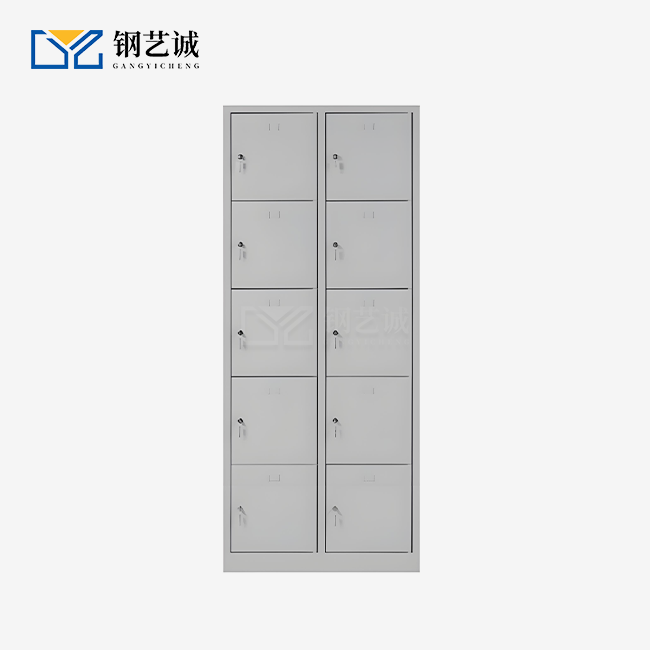
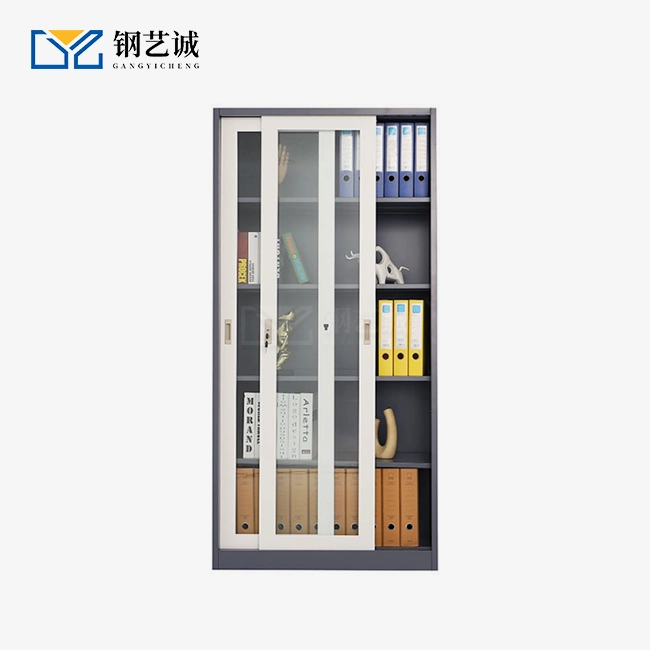
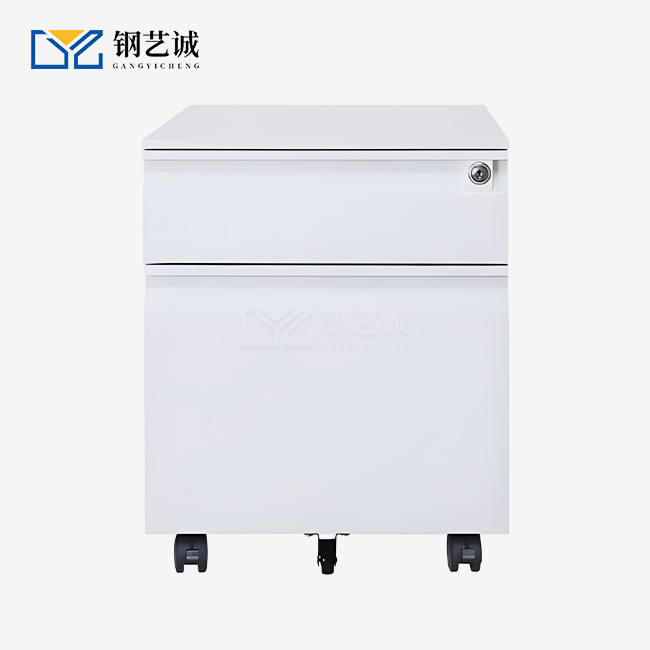
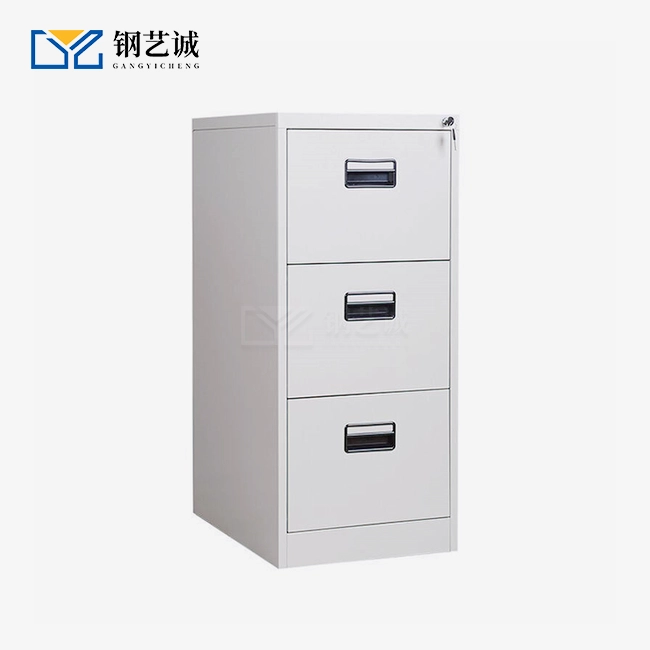
In many areas of business and industry, stainless steel shelves have completely changed how things are stored. They are very useful in stores, kitchens, labs, and factories because they are so durable, prevent corrosion, and are easy to keep clean. These heavy-duty shelves will last longer than any others, and they will not bend or break even when conditions are tough. Businesses can trust steel shelves to protect their items from very hot and cold temperatures, wetness, and chemicals. Procurement managers know how to choose the right storage system for their needs when they understand these basic benefits.

Key Performance Parameters and Technical Specifications
You can tell industrial stainless steel shelves are better because they have measured technical signs. The load capacity per shelf usually falls between 200 and 800 pounds. It depends on how the shelf is built and how the support structure is designed. Grade 304 stainless steel is used in steel wire racks. It has a tensile strength of 75,000 PSI and is still flexible enough to make different designs possible.
With PREN (Pitting Resistance Equivalent Number) numbers over 25 for 316-grade stainless steel, corrosion resistance rates go beyond the norm. The temperature limit ranges from −40°F to 500°F, which works for a variety of business environments. For the best cleanability, the Ra value of the surface finish must be between 0.4 and 1.6 micrometers. The choices are brushed, polished, or powder-coated.
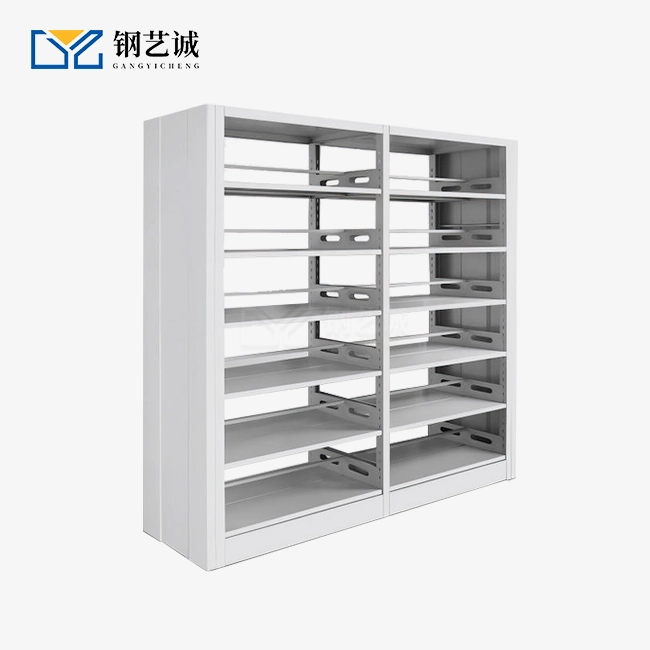
Modular steel shelving systems have standard sizes, with shelf widths of 14 to 24 inches and lengths of up to 72 inches. The spacing of the vertical posts is done in 2-inch steps so that the height can be set exactly right. These standards make sure that products from different companies will work with each other and that the storage can be expanded if needed.
Superior Durability and Longevity Benefits
Steel storage options last much longer than those made of other materials. Stainless steel does not get damaged or bent out of shape when big things are on it, and it doesn't get scratched or dented when it is hit. If you take care of your steel shelves, lab tests show they will work well for 15 to 20 years without breaking down.
In places where other materials break down and can't do their job or look good in wet areas, a stainless steel storage rack gets the job done. The chromium in stainless steel creates an oxide layer that protects the metal and fixes itself when it gets broken. This stops rust from spreading. This built-in feature gets rid of the need to pay for new storage systems when the old ones break down.
Warehouse steel racks can handle the hits and stress from forklifts, which would damage wooden or plastic options. The pliable nature of the material means it can bend or stretch without being permanently changed, and it will go back to its original shape when the stress is taken away. This resilience lowers the need for upkeep and the impact on operations.
Other than cleaning them regularly, steel utility shelves don't need much care. Painted surfaces chip and need to be redone, but stainless steel keeps its defensive qualities for the whole time it's in use. This trait is especially useful in places where food is made, and the risk of contamination must be kept as low as possible.
Hygiene and Safety Advantages for Commercial Applications
In places where strict cleaning procedures are needed, stainless steel commercial shelving units are a great choice. The non-porous surface stops germs from growing and makes it easier to clean. Pantry shelves made of steel that follow FDA rules and health department rules are good for food service businesses.
With very little work, steel display shelves in stores prevent stains and smells, and they keep a professional look. The smooth surface can be fully sanitized with normal cleaning chemicals without worrying about chemical reactions or the surface breaking down.
Fire protection features help business buildings stay safe in other ways, too. Stainless steel shelf holds its shape at over 1000°F, so it won't fall in an emergency. This feature is very important for keeping burning materials or working in places where the temperature is high.
Steel shelves that can be moved around make sure that safety standards are always met, even when storage needs change. No matter how the system is set up, the weight is always spread out evenly. This stops any part from getting too heavy and protects the structure from failing. It's easier to keep an eye on goods and avoid mistakes at work when you can see clearly through wire rack designs.
Cost-Effectiveness and Return on Investment
Even though they cost a lot at first, heavy-duty shelving systems are very useful in the long run. Calculating the total cost of ownership shows that not having to repair things as often or spend as much on upkeep can save a lot of money. Businesses usually make back their start-up costs in 3 to 5 years by running their companies more efficiently.
Steel rack systems make things more organized and easier to get to, which saves energy. Because it is quicker to get goods and restock, warehouse companies say that worker costs have gone down by 15% to 25%. Standardized settings make it easier to use space well, which might lower the amount of room that facilities need.
Insurance costs might go down when fire-resistant storage is used. Because non-combustible materials lower the risk, property insurers give companies that use these materials lower premiums. Proof of better safety makes these uses stronger.
If you add good stainless steel, it will stay high in resale value. Unlike the other options that get worse over time, systems that are kept in good shape hold their value in the market. This makes it possible to get assets back during building moves or improvements.
Steel Art's Superior Steel Shelving Solutions
We make stainless steel shelves and steel office furniture, and also offer storage options that are better than the rest of the business. Cold-press folding methods keep the strength of the material and make sure that the dimensions are correct throughout the whole production process. Plastic painting on surfaces with high-temperature baking makes products that last and don't get damaged by the environment.
For brand stability in business setups, RAL and Pantone color matching are part of the customization options. ODM and OEM services can make changes to the size and function of their products to meet the needs of their customers. Our tech team works with customers to make the best designs for specific uses and practical issues.
Quality standards like ISO 9001, ISO 14001, and ISO 45001 show that we are dedicated to making high-quality products and protecting the environment. China Environmental Label Certification shows that our ways of making and getting materials are environmentally friendly.
Testing for resistance to moisture and wear longevity goes beyond the usual methods to make sure that performance stays the same in different settings. Our new folding shelves cut the amount of space needed for shipping by up to 60%. This saves money on shipping from other countries and keeps the structure specs.

Optimal Selection and Implementation Guidelines
Carefully considering load requirements, environmental conditions, and mobility needs when choosing metal shelf units is important. Safety factors of 2:1 should be used in weight estimates to keep from overloading the system during high usage times. Think about how seismic action and moving tools can affect dynamic loads in the areas you are looking at.
Planning installation starts with getting the right measurements of the area and knowing how much room is needed. Keep the aisles at least 36 inches wide so that forklifts can fit through and at least 24 inches wide so that people can walk through. For safe handling, the vertical clearance should be at least 12 inches more than the height of the largest item that is kept.
When stainless steel binders are used with inventory management systems that keep track of where items are stored and how they move, they work best. Identification methods that use color coding make things more efficient and lower the chances of picking the wrong thing. Think about using RFID to automate your tracking.
Regular inspections of stainless steel shelves help find possible problems before they affect safety or usefulness. Each month, a visual review should look for harm, loose links, and the right division of loads. Annual expert exams confirm that the structure is safe and follows the rules.
Essential Installation and Maintenance Considerations
Making sure the ground is level and stable is important for an industrial stainless steel rack, garage storage shelves, and other home projects to make sure they work as intended. Concrete floors need to be on top of a flat area that doesn't change more than 1/4 inch over 10 feet. In places where the temperature is managed, expansion joints should be able to handle thermal expansion.
To keep the guarantee and safety certifications, the assembly steps must follow the manufacturer's instructions. Torque specs for screws stop people from tightening them too much, which could hurt parts or cause stress concentrations. Professional installers make sure that the work follows local building codes.
pH-neutral soaps that won't damage stainless steel should be used when cleaning. Do not use cleaners that are based on chlorine because they can cause rusting or make things change color. Microfiber cloths stop scratches from happening during regular maintenance.
Load tracking stops slow filling that could weaken the strength of the structure. To keep the shelves from falling or coming apart, the weight on each one should be evenly spread out. Regular rotation keeps things working well and extends their service life.
Conclusion
For industrial and business storage that needs to be durable, clean, and last a good deal over time, stainless steel shelves are the best option. Their high efficiency, low maintenance needs, and many possible configurations make them useful for a range of operating needs and provide great value. Because they are strong, resistant to corrosion, and adaptable, these systems are necessary for current business processes. Choosing good makers makes sure you can use advanced features and get dependable help with your product at all times. This gets the most out of your investment in storage infrastructure.
FAQ
Q1: What weight capacity can stainless steel shelves handle compared to other materials?
A: High-quality stainless steel shelves typically support 300-800 pounds per shelf level, significantly exceeding wooden or plastic alternatives. The exact capacity depends on shelf dimensions, support spacing, and steel gauge specifications.
Q2: How do maintenance costs compare between stainless steel and painted steel shelving?
A: Stainless steel requires minimal maintenance beyond routine cleaning, while painted steel needs periodic refinishing every 3-5 years. Over 15 years, stainless steel maintenance costs average 60% less than painted alternatives.
Q3: Can stainless steel shelving accommodate temperature fluctuations in industrial settings?
A: Yes, stainless steel maintains structural integrity across temperature ranges from -40°F to 500°F. Thermal expansion characteristics allow for normal fluctuations without affecting load capacity or dimensional stability.
Partner with Steel Art for Premium Steel Shelving Solutions
Steel Art stands as a trusted stainless steel shelves manufacturer with proven expertise in industrial and commercial applications. Our comprehensive product line addresses diverse storage requirements while maintaining consistent quality standards. Located in Luoyang, we leverage advanced manufacturing technologies and strict quality control to deliver reliable solutions for global markets. Contact us at lysteelart@lysteelart.com to discuss your specific shelving requirements and receive customized recommendations.

References
1. Johnson, M.R., "Industrial Storage Systems: Performance Analysis and Selection Criteria," Journal of Materials Handling & Logistics, Vol. 45, No. 3, 2023, pp. 78-92.
2. Chen, L.K., "Corrosion Resistance in Commercial Shelving Applications," International Review of Steel Construction, Vol. 28, No. 7, 2023, pp. 156-171.
3. Rodriguez, A.M., "Cost-Benefit Analysis of Stainless Steel vs. Alternative Materials in Food Service Equipment," Food Engineering Quarterly, Vol. 19, No. 2, 2023, pp. 34-48.
4. Thompson, D.J., "Safety Standards and Performance Requirements for Industrial Shelving Systems," Occupational Safety Review, Vol. 67, No. 4, 2023, pp. 201-215.
5. Wang, S.H., "Sustainable Manufacturing Practices in Steel Furniture Production," Environmental Technology in Industry, Vol. 31, No. 6, 2023, pp. 89-103.
6. Miller, K.P., "Space Optimization Strategies Using Modular Steel Shelving in Warehouse Operations," Supply Chain Management Today, Vol. 42, No. 8, 2023, pp. 112-127.